The transmission system in the Mercedes-Benz W204 plays a critical role in delivering smooth power transfer, driving comfort, and long-term durability. Designed with German engineering precision, the W204 transmission integrates advanced hydraulic, electronic, and mechanical components to ensure reliable performance across different driving conditions.
Below is a detailed overview of W204 transmission parts and their key features:
Core Transmission Components
1. Torque Converter
The torque converter is responsible for transferring engine power to the transmission while allowing the vehicle to stop without stalling.
Key features include smooth torque multiplication, reduced vibration, and improved fuel efficiency through lock-up clutch technology.
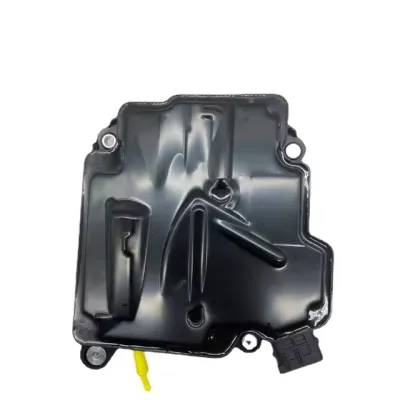
2. Valve Body (Mechatronic Unit)
This is the hydraulic control center of the transmission, often integrated with electronic controls.
It precisely regulates fluid flow and gear shifts. In W204 models, the mechatronic unit combines sensors and solenoids for adaptive shifting, enhancing driving comfort and responsiveness.
3. Transmission Control Unit (TCU)
The TCU is an electronic module that manages gear selection based on driving conditions.
It continuously analyzes speed, load, and throttle input to optimize shift timing, contributing to both performance and fuel economy.
4. Gear Sets (Planetary Gear System)
The W204 transmission uses a planetary gear system to provide multiple gear ratios.
This design allows compact structure, smooth transitions between gears, and high torque handling capacity.
5. Clutch Packs and Brake Bands
These components engage and disengage gears within the transmission.
They are engineered with high-friction materials for durability, ensuring precise shifting and reduced wear over time.
Supporting Components
6. Transmission Oil Pump
The oil pump maintains hydraulic pressure required for gear engagement and lubrication.
It ensures consistent performance even under high load or temperature conditions.
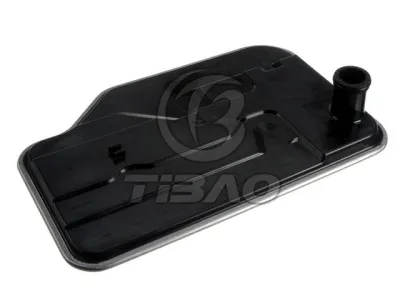
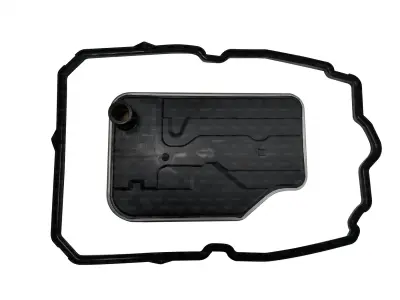
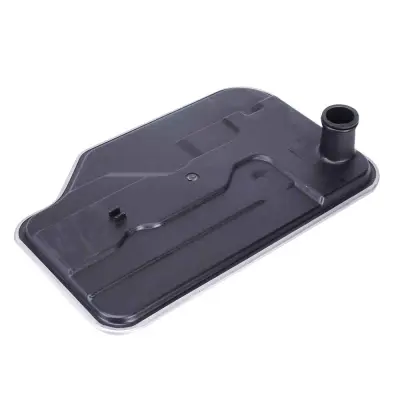
7. Transmission Filter
The filter removes contaminants from the transmission fluid.
High-efficiency filtration extends the lifespan of internal components and maintains smooth operation.
8. Transmission Oil Pan
The oil pan stores transmission fluid and often includes magnets to capture metal debris.
In many W204 models, the oil pan is designed for easy maintenance and improved heat dissipation.
9. Seals and Gaskets
These prevent fluid leakage and maintain internal pressure.
High-quality rubber and composite materials are used to withstand extreme temperatures and chemical exposure.
Key Performance Features
1. Smooth and Adaptive Shifting
Thanks to the integration of the mechatronic unit and TCU, W204 transmissions deliver seamless gear changes with minimal lag.
2. High Durability and Longevity
Premium materials and precision manufacturing ensure resistance to wear, even under demanding driving conditions.
3. Fuel Efficiency Optimization
Advanced control systems optimize gear ratios and shift timing, reducing fuel consumption.
4. Thermal Management
Efficient fluid circulation and cooling design prevent overheating, which is critical for maintaining transmission performance.
5. Ease of Maintenance
Modular design of components such as the oil pan, filter, and valve body simplifies servicing and replacement.
Common Transmission Types in W204
Most W204 models are equipped with:
- 5-speed automatic (722.6)
- 7-speed automatic (722.9 / 7G-Tronic)
These transmissions are known for their balance of performance, reliability, and comfort.
In summary, W204 transmission parts are engineered to deliver a refined driving experience through precise control, robust construction, and efficient power management. Their design reflects a strong emphasis on durability, smooth operation, and adaptability, making them a benchmark in the compact executive car segment.
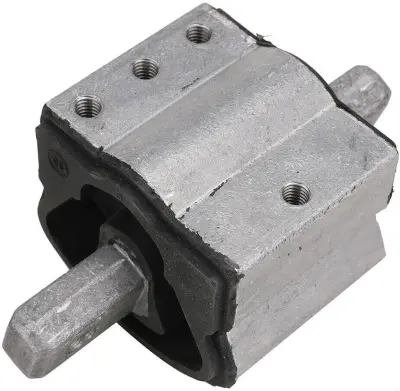
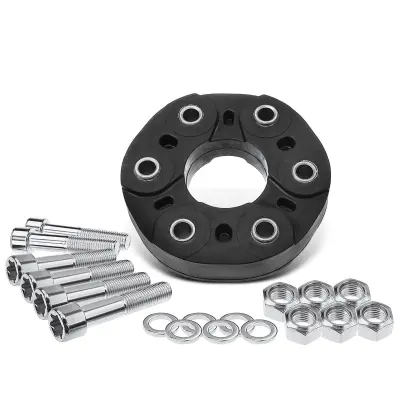
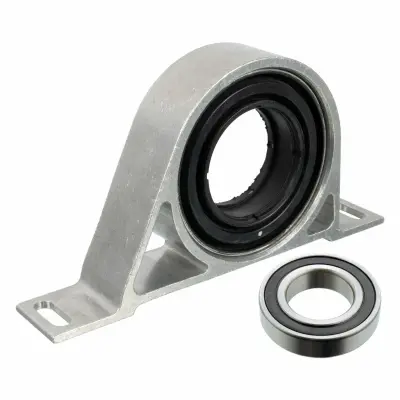
Search results: MERCEDES W204 Transmission Parts Hot List in This Issue (If you need wholesale, please download the
Mercedes Transmission Parts Catalogue.)






 +86 20 8639 5953
 +86 182 1839 8647
 sales@tibao.de
 ROOM 101, ROOM 201, ROOM 301, AND ROOM 401, BUILDING 4, NO. 18 ZHENZHONG SOUTH ROAD, JIANGGAO TOWN, BAIYUN DISTRICT, GUANGZHOU, CHINA


