


Mercedes-Benz W204 Fuel Injection Parts & AftermarketThe fuel injection system in the Mercedes-Benz W204 plays a critical role in engine efficiency, power output, and emissions control. Below is a detailed and structured overview of the key fuel injection parts and their technical characteristics, suitable for aftermarket, maintenance, and engineering understanding. 1. High-Pressure Fuel Pump (HPFP)The high-pressure fuel pump is responsible for compressing fuel from the tank to extremely high pressures required for direct injection systems (often up to 200 bar or more in gasoline engines, higher in diesel variants). Key Features:
Importance: 2. Fuel InjectorsFuel injectors deliver atomized fuel directly into the combustion chamber (direct injection) or intake manifold (port injection depending on engine variant). Key Features:
Importance: 3. Fuel Rail (Common Rail System)The fuel rail acts as a high-pressure reservoir distributing fuel evenly to all injectors. Key Features:
Importance: 4. Fuel Pressure RegulatorThe regulator maintains the correct fuel pressure within the system by adjusting flow return or pump output. Key Features:
Importance: 5. Fuel Pressure SensorThis sensor monitors real-time fuel pressure and sends data to the engine control unit (ECU). Key Features:
Importance: 6. Fuel FilterThe fuel filter removes contaminants such as dirt, rust, and debris before fuel reaches sensitive components. Key Features:
Importance: 7. Fuel Pump (Low-Pressure / In-Tank Pump)This pump transfers fuel from the tank to the high-pressure pump. Key Features:
Importance: 8. Electronic Control Unit (ECU) IntegrationAlthough not a physical injection component, the ECU plays a central role in managing the system. Key Features:
Importance: ConclusionThe W204 fuel injection system is a highly engineered network combining high-pressure mechanics, electronic precision, and advanced materials. Each component—from the fuel pump to the injectors and sensors—must operate flawlessly to ensure performance, efficiency, and compliance with emission standards. For aftermarket applications, selecting high-quality replacement parts is essential to maintain the original performance characteristics of the Mercedes-Benz W204, especially given the tight tolerances and high operating pressures involved. Query Results: Popular Mercedes W204 Fuel Injection Parts List. (If you are a wholesaler or retailer, please download the MERCEDES W204 Parts Catalogue or inquire for a quotation.)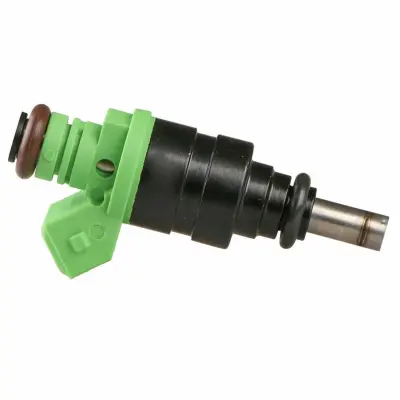 2710780549 Engine Parts Fuel Injector for MERCEDES-BENZ E-CLASS (W211), SPRINTER 3-t Bus (B906), CLC-CLASS (CL203), SLK (R171), C-CLASS (W203), CLK (C209) OE 271 078 05 49 NID: TM26C0040 MOQ: 50  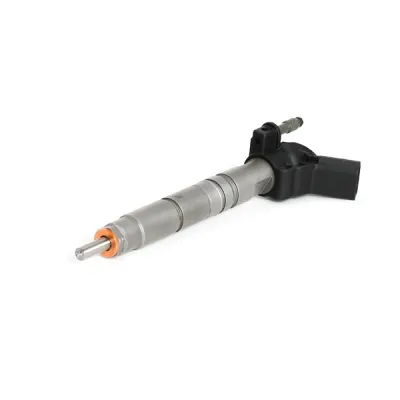 a6420701187 Fuel Injector for MERCEDES-BENZ E-CLASS (W212), GLC Coupe (C253), GLS (X166), CLS (C218), GLE Coupe (C292), S-CLASS (W222, V222, X222), GLK-CLASS (X204), GL-CLASS (X164), M-CLASS (W164), C-CLASS (W204), S-CLASS (W221, V221), VITO / MIXTO OE a6420701187 NID: NX10C0121 MOQ: 50  0001502580 Engine Parts Ignition Coil for MERCEDES-BENZ C-CLASS (W203), E-CLASS (W211), SLK (R171), SPRINTER 3-t Platform/Chassis (B906), CLC-CLASS (CL203), CLK Convertible (A209) OE 000 150 25 80 NID: TM26C0042 MOQ: 50 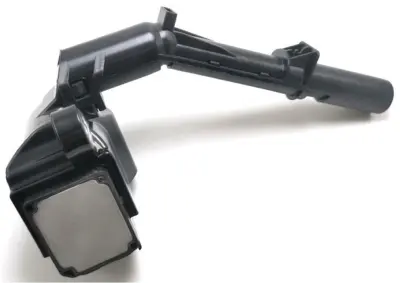 2749061400 Engine Parts Ignition Coil for MERCEDES-BENZ E-CLASS T-Model (S212), GLE Coupe (C167), GLC (X253), C-CLASS (W204), CLA Coupe (C117), GLA-CLASS (X156), SLC (R172), A-CLASS (W176), B-CLASS Sports Tourer (W246, W242), SLK (R172), V-CLASS (W44 OE 274 906 14 00 NID: TM26C0044 MOQ: 50 |

 +86 20 8639 5953
 +86 182 1839 8647
 sales@tibao.de
 ROOM 101, ROOM 201, ROOM 301, AND ROOM 401, BUILDING 4, NO. 18 ZHENZHONG SOUTH ROAD, JIANGGAO TOWN, BAIYUN DISTRICT, GUANGZHOU, CHINA


