


BMW E46 Engine Mounts & Aftermarket Parts
The engine mounts in the BMW E46 play a critical role in securing the engine to the chassis while isolating vibrations and maintaining proper drivetrain alignment. These components are often overlooked, yet they directly affect driving comfort, engine stability, and the longevity of surrounding parts. 1. Function and Working Principle 2. Types of Engine Mounts Used in BMW E46 3. Common Symptoms of Worn Engine Mounts 4. Replacement and Maintenance Considerations Conclusion Bmw e46 engine mounts parts
 11811092583 Engine Parts Engine Mount for BMW Z4 Roadster (E85), 3 (E36) OE: 11 81 1 092 583 NID: TB23C0006 MOQ: 50 BRAND: TiBAO SPECS: M52-B25 Matching Result:3Touring(e46) 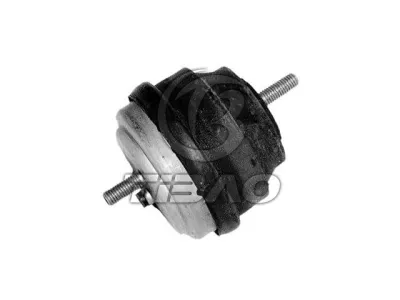 22116771359 Engine Parts Engine Mount for BMW Z4 Roadster (E85), 3 (E46) OE: 22 11 6 771 359 NID: TB23C0011 MOQ: 50 BRAND: TiBAO SPECS: M46/M47 Matching Result:22116771359 Engine Parts Engine Mount for BMW Z4 Roadster (E85), 3 (e46) 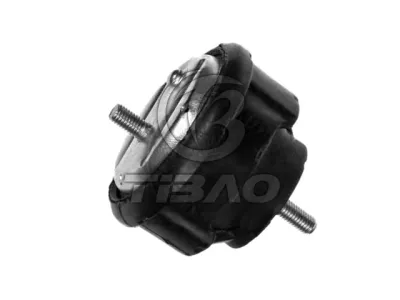 22111094814 Engine Mount for BMW Z4 Roadster (E85), 3 (E46) OE: 22 11 1 094 814 NID: ZB23C0002 MOQ: 50 BRAND: TiBAO SPECS: M47 Matching Result:22111094814 Engine Mount for BMW Z4 Roadster (E85), 3 (e46) |

 +86 020-8639-5953
 +86 182 1839 8647
 market@tibao.de
 ROOM 101, ROOM 201, ROOM 301, AND ROOM 401, BUILDING 4, NO. 18 ZHENZHONG SOUTH ROAD, JIANGGAO TOWN, BAIYUN DISTRICT, GUANGZHOU, CHINA


